
Society of Intensive Care MedicineSingapore

What is intensive care medicine?
Intensive care medicine is the care of patients with, or at risk of developing, life-threatening illness or organ failure.
In the ICU, doctors work alongside nurses, pharmacists, physiotherapists, occupational therapists, dieticians, respiratory therapists and other healthcare professionals to care for patients with complex and rapidly changing conditions.
You will encounter physiology in real time, learn how different organ systems interact, and see how clinical decisions, procedures and technology come together at the bedside.
Physiology
See human physiology in action.

Organ support
Support failing organs and understand how they interact.

Clinical Decisions
Make sense of complex and rapidly changing problems.

Teamwork
Work with a multidisciplinary team to deliver patient-centred care.
What does an intensivist actually do?
An intensivist is a doctor who specialises in caring for critically ill patients. Their work covers six broad areas.
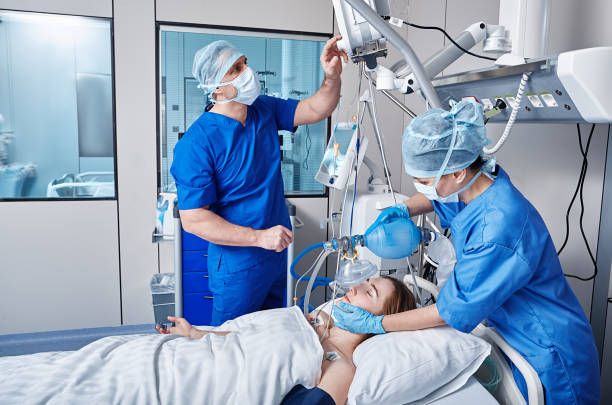
Resuscitate & Stabilise
Recognise deterioration and provide timely treatment for critically ill patients.
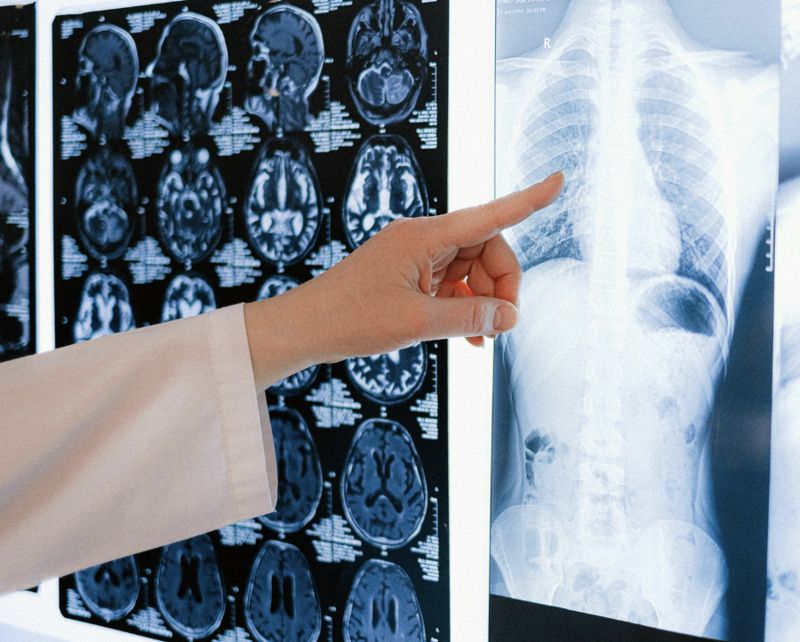
Diagnose & Decide
Make sense of complex, rapidly evolving problems and make difficult clinical decisions.
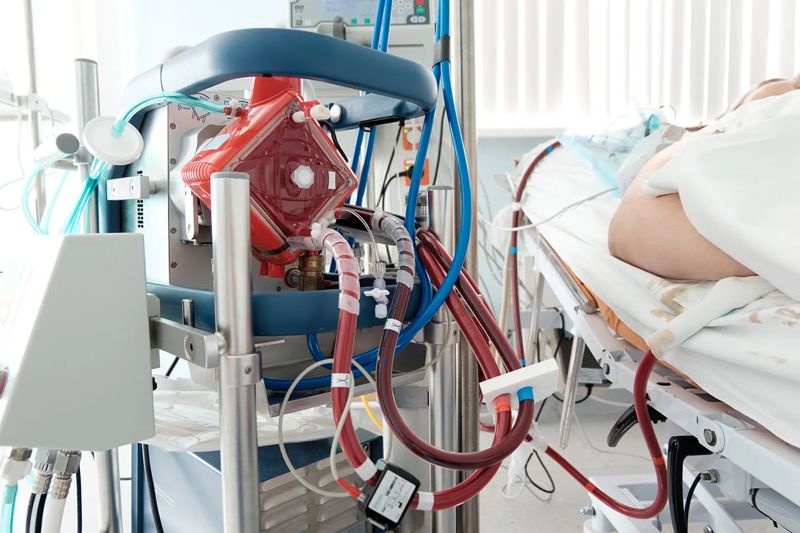
Support Failing Organs
Use mechanical ventilation, circulatory and renal support while treating the underlying illness.
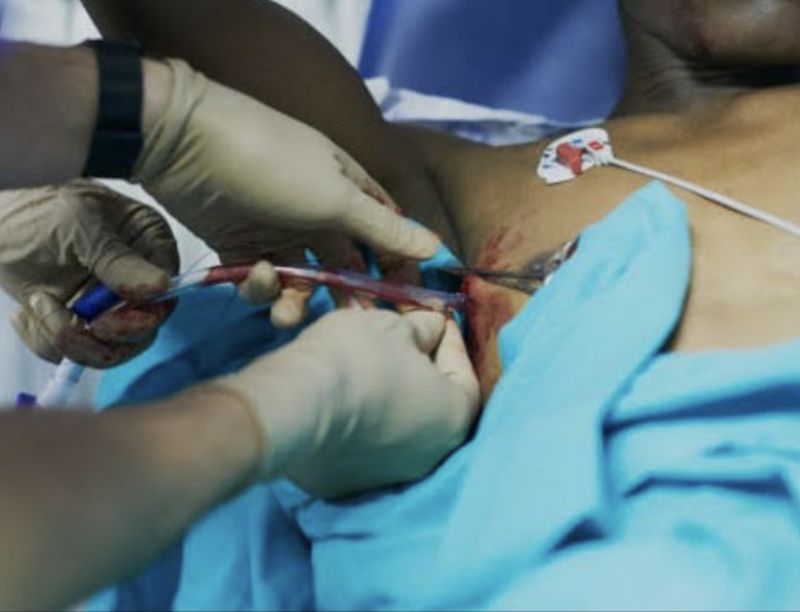
Perform Procedures
Use practical and procedural skills to diagnose, monitor and treat critically ill patients.

Lead a Team
Bring together different specialties and healthcare professionals to deliver coordinated care.

Care & Communicate
Support patients and families through serious illness, including goals-of-care discussions, palliative care and end-of-life care.
No two days in the ICU are quite the same.
Could intensive care medicine be for you?
You might enjoy intensive care medicine if you like:

Physiology and problem-solving
Understanding why a patient is deteriorating, and what you can do about it.

Hands-on medicine
Combining clinical reasoning with practical skills and procedures.

Working across specialties
ICM sits at the intersection of medicine, anaesthesia, surgery, emergency medicine and many other disciplines.
Teamwork
Critical care is rarely practised alone. Good ICU care depends on multidisciplinary collaboration.

Making a difference when it matters most
Intensivists care for patients and families during some of the most critical moments of their lives.
Experience intensive care medicine
Learn, experience and connect with the world of intensive care.
Learn
Listen to the Society's podcasts and webinars, and build your understanding through educational resources.
Listen to the Society's talkshowExperience
Be informed of our latest activities, meet intensivists and trainees, and discover what working in an ICU is really like.
See latest news and eventsConnect
Join a community of students and clinicians through your university's student interest groups and/or as a SICM Student Associate Member.
Join SICM as an associate memberStart here
The Medical Student's Guide to Intensive Care Medicine
A practical introduction to the ICU, written for medical students.
Free for SICM Student Associate Members Join SICM and get the guide
Thinking about a career in intensive care medicine?
Intensivists in Singapore come from different medical specialties and backgrounds. There is no single route into intensive care medicine.
If you are curious about what training and a career in ICM might look like, find out more about the pathway and hear from doctors working in the specialty.
Questions students ask
Do I need to choose intensive care now?
No. Intensive care training comes after you've entered a parent specialty, so your next decision is which of those to pursue.
Which specialties lead to intensive care?
Anaesthesia, Respiratory Medicine, Internal Medicine and Cardiology are the main examples. For further information, click here.
Does membership cost anything?
Student Associate Membership is free for students interested in intensive care medicine.
Can I shadow or meet intensivists?
Student interest groups regularly organise opportunities to meet and learn from intensivists and residents. You can also explore ICU electives or attachments through your medical school. If you are looking for a particular experience or would like to connect with someone in a specific area of Intensive Care Medicine, please contact the SICM Secretariat and we will be happy to help connect you with the appropriate clinician.
Interested in intensive care medicine?
You don't have to wait until residency to get involved.
Join SICM as a Student Associate Member and stay connected with educational activities, events and opportunities for medical students interested in critical care.
Student Associate Membership is free
Open to eligible local medical students.
Join SICMQuestions? Email the secretariat at secretariat@sicm.org.sg or call (65) 9657 6923.